


Ask an Attorney a Question for FREE!
Insurance Coverages
What is covered and how it is covered
Not only do you need to know how to read the policy, but you also must understand the insurance coverages put forward in your auto policy.
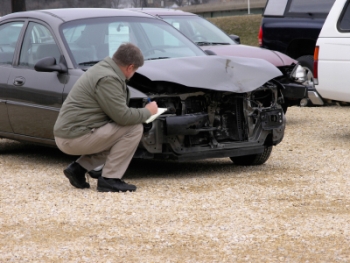
Your insurance coverages are the promises your insurance company makes to you in exchange of a premium (a payment).
This premium is what ensures coverage for you, the policyholder and the insured, in case of an insurance claim.
Remember insurance is a business, and a very profitable one. If you really think about it, insurance is another form of gambling, just backwards.
When you gamble, you are betting that something good will happen (you will get that lucky number) in order to get a payout.
With insurance it is just the opposite, you are betting that something bad will happen (a car accident) in order to get a payout.
My point is - insurance companies have the odds against you, and just like casinos they are turning record profits.
Insurance companies often increase those profits by paying less than they have to.
They do this by reducing costs in different areas of the auto claim.
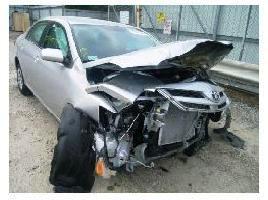
It is not unusual to see an insurance company trying to nickel and dime you (or your body shop, chiropractor, medical doctor, tow truck driver, rental car provider, etc.) on what is rightfully yours.
Therefore, you need to know your coverages and insurance terms, and know exactly what they mean. These pages will explain the insurance coverages, terms, and definitions in simple terms.
It is important to note that the objective of all insurance coverages is to indemnify the wronged party. Indemnification means “to put the person back in the position he was in before the accident happened.” Basically, they have to make you whole again.
Achieving true indemnification is very difficult and sometimes impossible. No one can make the accident disappear or make a bodily injury go away.
The insurance company will try to put the injured victims as close as possible to the position they were in before the accident by making monetary payments.
Most insurance coverages are targeted or designed to do that. To put the wronged parties back to the position they were in prior to the accident.
Insurance companies use this concept against you. In other words, they will use it to tell you that "the purpose of insurance is put you back to the same point you were before the accident, not to make you better off.”
They will argue that because of this concept, they can depreciate your damages. They will tell you that your car did not have “new parts.”
You had a used vehicle and therefore they will put you “back to the same position” you were in. A used vehicle has used parts.
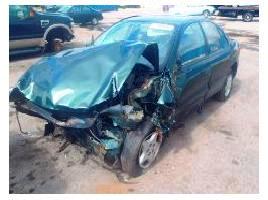
State legislators have passed laws that require drivers to carry certain insurance coverages. However, most states only require liability insurance.
When there is an insurance claim against you, your insurance company covers that person (the claimant).
Some states also require Personal Injury Protection and Medical Payments coverage. However, remember that these coverages are the bare minimum coverages. Every other coverage is optional.
Important insurance definitions:
First Party: The person insured (the insured).
Third Party: The person making a claim against your family (the claimant).
Click below for an explanation insurance coverages and terms:
Automobile Liability Insurance or Liability Page 1
Automobile Liability Insurance or Liability Page 2
Automobile Medical Payments or Personal Injury Protection (PIP) Page 1
Automobile Medical Payments or Personal Injury Protection (PIP) Page 2
Collision Coverage (Protection Against Loss to the Auto) Page 1
Collision Coverage (Protection Against Loss to the Auto) Page 2
Comprehensive Coverage (Protection Against Loss to the Auto) Page 1
Comprehensive Coverage (Protection Against Loss to the Auto) Page 2
Under or Uninsured Motorist Property Damage (UMPD) Page 1
Under or Uninsured Motorist Property Damage (UMPD) Page 2
Under or Uninsured Motorist Bodily Injury (UMBI)
Rental Reimbursement or Loss of Use Coverage Page 1
Rental Reimbursement or Loss of Use Coverage Page 2
Restoration Coverage
Towing and/or Road Assistance Coverage (Emergency Packages)
|
For a Free Review of Your Case
Please Call (866) 878-2432 |

Auto Insurance Claims Home | Auto Claim Questions | Free Newsletter |
Best Insurance Carriers |
About Agents |
Claim vs Rate |
Accident Photos | Calculate Pain and Suffering | Calculate Pain and Suffering Settlements |
Driving Tips |
Claim Blog |
Auto Claim Forum |
Find a Lawyer |
Attorney Directory |
Site Policies |
Your Host |
Contact Us |
Sitemap |
Quiroga Law Office, PLLC
505 N. Argonne Rd.,
Suite B-109
Spokane Valley, WA 99212