




Ask an Attorney a Question for FREE!
Total Loss
Car Loan Overview
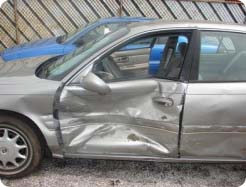
Dealing with a car loan after a total loss can be very frustrating. Most Americans have car loans or liens against the title of their car, so when they get in a car accident, the bank (or lien holder) will have some rights under the policy.
Note that the bank rights are only protected if you are making a claim against your own insurance company. Most auto polices have financial responsibility clauses on them.
They essentially make the insurance company protect the bank and not you. I will outline the process for dealing with a car loan after a total loss as if you were dealing with your own insurance carrier.
If you are dealing with someone else’s insurance company, they are not bound by an insurance policy as you do not have a policy with them. This insurance company can simply make a payment to one of the registered owners of the vehicle and close the claim.
They do not have a responsibility to the bank. Overview of the process: You have a car loan. Then you get hit and your car is clearly a total loss. Your agent should have listed the name of the lien holder (Bank such and such) by the time the police came.
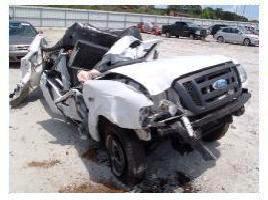
If the agent failed to do this, the adjuster will probably ask you when you are going to give a recorded statement. They will ask again when the vehicle was inspected. The adjuster will evaluate the car to determine its value, and then they will ask you for proof of ownership.
Usually, you will have the registration of the car in which the bank is listed. Insurance companies will NOT issue payment (or they should not anyway) unless you can show ownership of the vehicle.
At some point you are going to have to give them all the information pertinent about your bank and car loan - account number, any telephone numbers, balance amount, interest rate, etc.
The insurance adjuster will double check this information by calling the bank directly and asking them for the exact information. (Note: some insurance companies have total loss adjusters that are different from the liability or fault adjuster. However, the process should be the same).
The claim adjuster will find out what is the balance owed and then determine if the value of the car is less than the balance (if you are upside down in the loan). If you owe more than the car is worth (according to the insurance company's fair market value estimation), then the insurance company will notify the bank.
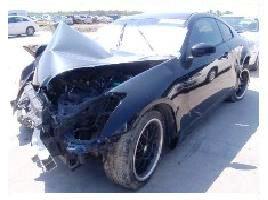
The insurance company will then request a Letter of Guarantee from the bank in which the bank promises to surrender the title of the car to the insurance company in exchange of the payment of the fair market value.
You will have to argue the fair market value and try to increase that value. Get the total loss eBook to learn how to do this.
What happens to the loan balance? In other words, what happens to the difference between the fair market value and the loan balance?
You would still owe it! You are still required to continue making payments in loss loan, even though you will not have possession of the car or the title to it. You will have to argue the fair market value and try to increase that value.
|
For a Free Review of Your Case
Please Call (866) 878-2432 |

Auto Insurance Claims Home | Auto Claim Questions | Free Newsletter |
Best Insurance Carriers |
About Agents |
Claim vs Rate |
Accident Photos | Calculate Pain and Suffering | Calculate Pain and Suffering Settlements |
Driving Tips |
Claim Blog |
Auto Claim Forum |
Find a Lawyer |
Attorney Directory |
Site Policies |
Your Host |
Contact Us |
Sitemap |
Quiroga Law Office, PLLC
505 N. Argonne Rd.,
Suite B-109
Spokane Valley, WA 99212