





Ask an Attorney a Question for FREE!
Reservation of Rights
The legal concept that allows insurance carriers to provide a defense but deny payment for judgments
Right of Appraisal, does such a thing exist? Yes!
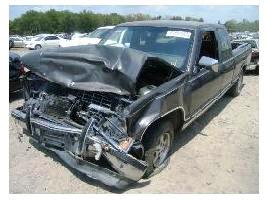
This clause mainly applies to property damage. If your auto is damaged and you cannot agree on the value of the vehicle (a total loss), you can request an independent appraisal.
Insurance companies will make their own evaluation of the Actual Cash Value of the vehicle and try to settle for that amount.
Many total loss adjusters will not mention to you your option to request an independent appraisal (most adjusters do not read your policy).
Insurance companies, in the face of non-settlement, will pay for an independent appraisal of their choosing (the right of appraisal is right there in the policy, use it!).
They do not like to offer this because it costs them anywhere from $150 to $450 to have this independent appraisal done.
Hence, most adjusters are not even trained regarding this clause. These are your rights, make sure you enforce them.
If you do not agree with the appraiser selection, then you have to find your own appraiser at your own expense.
Your appraiser and the insurance company appraiser will review numbers and try to come to a consensus.
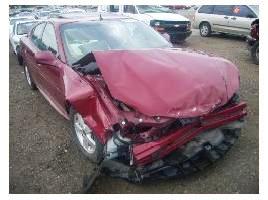
If there is no agreement, a panel of three appraisers will be selected. Written submissions of the discrepancies of the estimates will be required.
Two out of three votes will determine the amount of the loss.
Sometimes, your appraiser and the insurance company appraiser will get together and dispute the value.
If they cannot come to an agreement, they can select one neutral appraiser (paid by both parties) to settle the value.
Click below for an explanation of insurance coverages and terms:
Automobile Liability Insurance or Liability Page 1
Automobile Liability Insurance or Liability Page 2
Automobile Medical Payments or Personal Injury Protection (PIP) Page 1
Automobile Medical Payments or Personal Injury Protection (PIP) Page 2
Collision Coverage (Protection Against Loss to the Auto) Page 1
Collision Coverage (Protection Against Loss to the Auto) Page 2
Comprehensive Coverage (Protection Against Loss to the Auto) Page 1
Comprehensive Coverage (Protection Against Loss to the Auto) Page 2
Under or Uninsured Motorist Property Damage (UMPD) Page 1
Under or Uninsured Motorist Property Damage (UMPD) Page 2
Under or Uninsured Motorist Bodily Injury (UMBI)
Rental Reimbursement or Loss of Use Coverage Page 1
Rental Reimbursement or Loss of Use Coverage Page 2
Restoration Coverage
Towing and/or Road Assistance Coverage (Emergency Packages)
Insurance Clauses and Terms
Overview
Actual Cash Value or ACV
Additional Insurance Clause
Cancellation of Coverage Clause
Choice of Law Clause
Forum Selection Clause
Duty to Cooperate Clause
Duty to Report Losses Clause
Financial Responsibility Clause
Insurable Interest Concept
Interpretation of the Policy Concept
Mandatory Arbitration Clause
Mitigation of Damages Clause
Non Duplication of Benefits Clause
Proof of Loss Clause
Promissory Estoppel Concept
Reservation of Rights Concept
Reasonable and Necessary Clause
Right of Appraisal Clause
Right of Settlement Clause
Rights of Counsel Concept
Subrogation of Rights Clause Part I
Subrogation of Rights Clause Part II
Statute of Limitations Concept
Replacement Cost Value
Restoration Coverage
Transfer of Benefits Clause
|
For a Free Review of Your Case
Please Call (866) 878-2432 |

Auto Insurance Claims Home | Auto Claim Questions | Free Newsletter |
Best Insurance Carriers |
About Agents |
Claim vs Rate |
Accident Photos | Calculate Pain and Suffering | Calculate Pain and Suffering Settlements |
Driving Tips |
Claim Blog |
Auto Claim Forum |
Find a Lawyer |
Attorney Directory |
Site Policies |
Your Host |
Contact Us |
Sitemap |
Quiroga Law Office, PLLC
505 N. Argonne Rd.,
Suite B-109
Spokane Valley, WA 99212